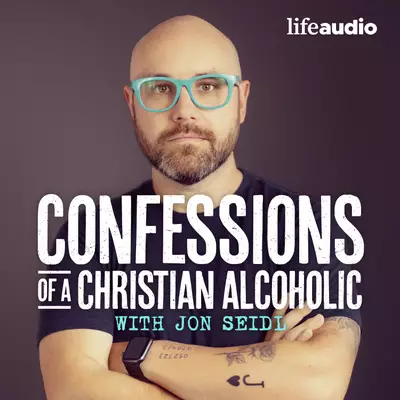



What You Didn't Know or Realize About Confession: Jamin Goggin on Exposing Our Secret Struggles



“The fear of our heart is built on sin’s great lie: that the place of healing is the place of harm. That the chalice of confession is filled with poison. That the medicine God has provided cannot be trusted. We have come to believe that confession is not a place of life but instead a place of death.”
Those words from Jamin Goggin’s book, Pastoral Confessions, capture the heart of this entire conversation.
Most of us know we’re supposed to confess. We know we’re supposed to be honest with God. We know we’re supposed to live in authentic community. And yet we hide.
We hide because confession feels dangerous. It feels exposing. It feels costly. We fear what people will think. We fear rejection. We fear consequences. We fear that if we tell the truth about what is really going on inside of us, everything might fall apart.
But what if the very thing we fear is the thing God intends to use for our healing?
Jamin Goggin is a professor at Talbot School of Theology, former pastor, and author of Pastoral Confessions: The Healing Path to Faithful Ministry. After spending two decades in ministry, he became convinced that many pastors—and many Christians—are carrying hidden struggles, unconfessed sins, and carefully managed secrets that quietly shape their lives and relationships.
In this conversation, we explore why confession is about far more than admitting wrongdoing. We discuss why James 5:16 connects confession to healing, why self-deception makes it difficult to see our own sin clearly, and why God designed us to need other people in the process of growth and transformation.
We also explore why vulnerability feels so threatening, why confession must be both vertical and horizontal, and why the flourishing Christian life is ultimately a life of dependence on Christ rather than self-protection.
Whether you’re struggling with addiction, shame, fear, or simply learning how to practice radical vulnerability, this conversation offers a powerful reminder that freedom is often found in the very place we least expect it. The place that feels like harm may actually be the place where God begins to heal.
Get Jamin's book: Pastoral Confessions: The Healing Path to Faithful Ministry
Website: jamingoggin.com
Get Gospel-centered addiction recovery resources and help: veritasrecovery.org
Follow me: @jonseidl
Order my new book, Confessions of a Christian Alcoholic
We explore:
— Why confession feels dangerous even when we know we need it
— The lie that the place of healing is actually the place of harm
— Why hidden sin and secret struggles never stay hidden
— What James 5:16 really means when it connects confession and healing
— Why confession must be both vertical and horizontal
— The role of Christian community in exposing self-deception
— How Adam and Eve's hiding in the garden still shapes us today
— The difference between vulnerability and radical vulnerability
— Why true vulnerability always involves risk
— How to begin practicing confession when honesty feels terrifying
— The relationship between weakness, dependence, and spiritual flourishing
— Why grace does not eliminate consequences
— What it means for a pastor to be "above reproach"
— How churches should think about restoration after failure
Support the Show: https://www.jonseidl.com/
Discover more Christian podcasts at lifeaudio.com and inquire about advertising opportunities at lifeaudio.com/contact-us.



Follow and find more from Jon at jonseidl.com.