Part of the Worship Leader Magazine Podcast Network, The Walk is a weekly devotional podcast where faith meets story in powerful, personal ways.
Each episode features a first-person devotional from a worship leader, pastor, artist, or creative—believers who don’t just lead worship, but live it. These aren’t interviews; they’re heartfelt testimonies about walking with God in the highs and lows, the mundane and miraculous.
Produced by Worship Leader Magazine, a trusted resource in worship ministry for over 30 years, The Walk equips and encourages worshipers to cultivate a lifestyle of Spirit-led worship beyond the platform.
Whether you’re a seasoned leader or just beginning your journey, these stories will help you walk closer with Jesus.
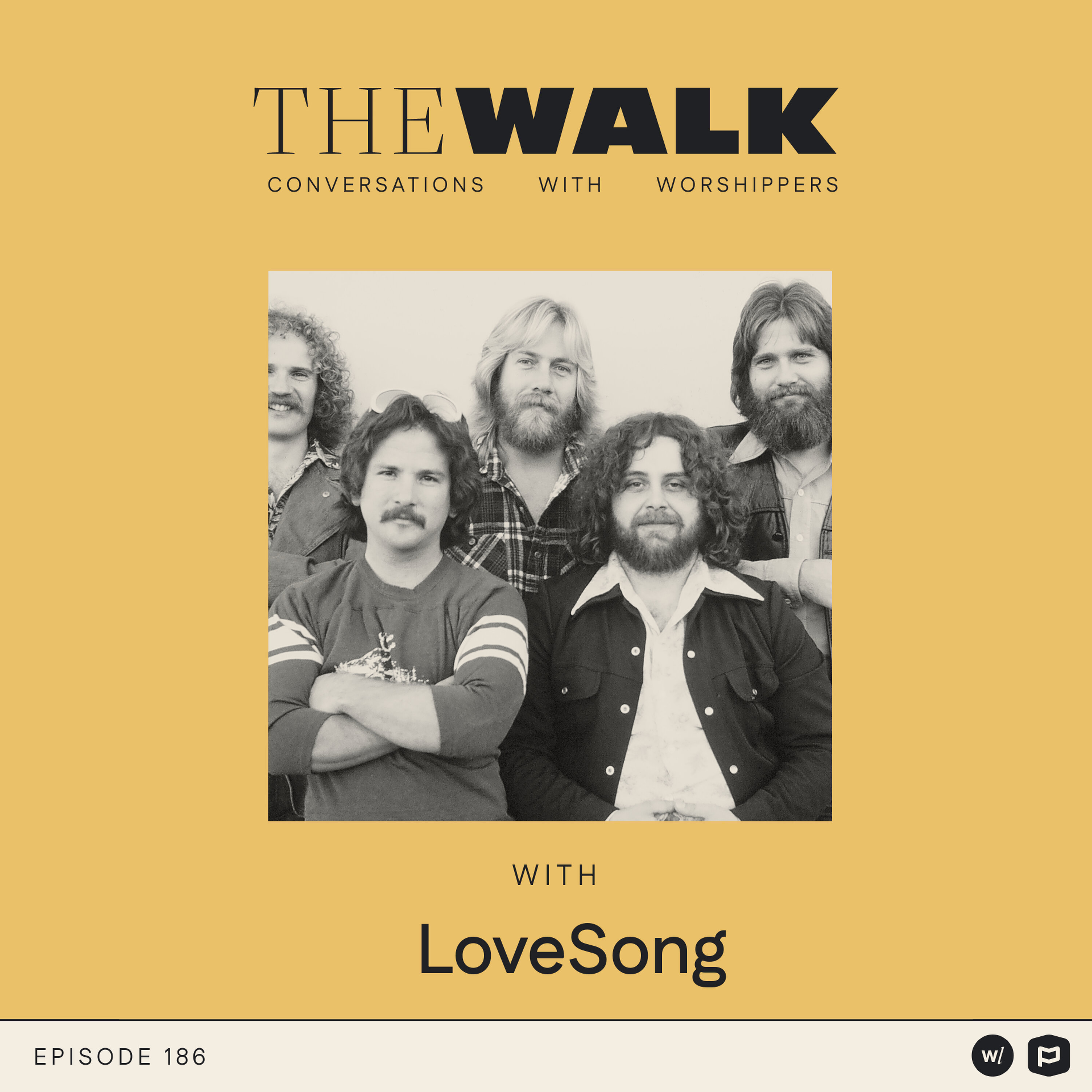
Tommy Coomes and Jay Truax were there. Not adjacent to the Jesus Movement, not students of it, but in it, on the beach, in the room. They're two of the founding members of Love Song, and this conversation is the long version of how a handful of California musicians accidentally became the front end of an entire industry. Jay starts at the beginning. He was an inland surfer who helped build the first skateboards out of plywood and cut-up roller skates on his dad's bandsaw. He talked his father into a guitar instead of a trumpet, got a 1957 Strat from a pawn shop for ninety dollars, and traded it in 1963 for a brand new Fender Jazz bass. Two weeks later his band opened for the Beach Boys in a skating rink, and Brian Wilson asked to borrow the bass. Jay was fifteen. Then came the surfing, the LSD, a string of bands, and two years in Salt Lake City playing alongside the Grateful Dead and Creedence. Tommy played trumpet for fourteen years, formed a band, and within six months all three of them were drafted at the height of Vietnam. Fred Field went to Vietnam. Chuck Butler went to South Korea. Tommy went to Germany, where he got deep into drugs mostly out of loneliness. He spent his leave in London and was standing on Carnaby Street the day Apple released its first four singles, with "Hey Jude" blasting out of every doorway. He came home in early 1969 planning to quit music and get a real job. Then friends dragged him to see a band called Love Song at a bar in Costa Mesa, and somewhere in a song he decided he couldn't quit after all. The heart of it is what happened next, and how little of it was planned. Tommy invokes the opening of 1 John, this is what we saw, this is what we heard, and calls himself and Jay living witnesses, noting that the generation who can say that is thinning out. Jay's account of the Holy Spirit is the plainest thing in the episode: it comes about when you pull the plug on everything and stop getting in the way. They woke up with no idea what the day held and played three times a day, in jails, convalescent homes, high schools, two services at the Orange County jail. Jay compares it to being firemen. The phone rang and they went. They tell it without polishing it. There's the Seventh Day Adventist church where they had no idea the congregation was vegetarian until Fred gave his testimony about being delivered from vegetarianism. There's Madison Square Garden one week and a flatbed truck on the Rio Grande in El Paso the next, which is where Tommy lands one of the best lines in the episode about being the same person in front of sixteen people or fifty thousand. There's Calvary Chapel going from a room the fire marshal capped around 220 to 2,500 people in a matter of months, with local pastors turning up in white belts to see what was going on. Then Maranatha! Music, which is the part worship leaders will want. Chuck Smith sent them to a four-track studio in Huntington Beach. The compilation cost four thousand dollars, sold 160,000 copies with no distribution, and the records lived in a Sunday school room. Michael W. Smith found a copy in a used clothing store in West Virginia, took it home, and walked the aisle of his Baptist church six weeks later. Twenty years on, Tommy asked Chuck Smith why he'd started the label. The answer: because the band had no gas money and he figured an album to sell would get them home. Kurtis asks about Chuck Fromm, who founded Worship Leader, and the two of them light up. Chuck Smith's nephew, called down from a city administration job in Yuba City to run Maranatha!, a man who used his Rolodex as a thinking tool and would talk an idea through with someone for an hour just to hear it out loud. Tommy tells the story of Chuck buying property and building a real studio without telling his uncle first. It opened in 1978 with fifty of the best tube mics in the world, and they recorded in it nonstop. The last stretch is a challenge. Tommy is blunt about what he sees walking into rooms as a producer: he estimates 60% of people in the pews aren't singing at all, and he lays it at the feet of volume and craft rather than sincerity. He points to Cliff Barrows, who never called it worship and always called it community singing, and who could make fifty thousand people feel like a living room. His charge to worship leaders is to be a communicator first, because there are plenty of great players and very few great communicators. He also refuses the easy version of the argument, insisting God isn't an either-or God and that he's all in when a room full of people knows the songs and pours their hearts out. Kurtis closes by asking whether God could do something like the Jesus Movement again. Tommy says yes, and points out that people get serious about finding a raft when the ship starts sinking. Then he tells his own conversion story, which he'd been saving. He was working a factory job, paying off a court fine, living with his parents, one day from starting at his father's construction company. There was a note by the phone about an anti-drug rally. Love Song played three services for the Orange County police department, the same department that had illegally searched him and put him through a year of court. On the third service he ended up on the floor crying for forty-five minutes. "If there's sixteen people in front of you, or sixteen thousand or fifty thousand, you gotta be the same guy." - Tommy Coomes ABOUT TOMMY COOMES AND JAY TRUAX Tommy Coomes and Jay Truax are founding members of Love Song, the band formed in the late 1960s out of the counterculture scene in Laguna Beach, California, and widely regarded as the first Christian rock band. Alongside Chuck Girard, John Mehler, Fred Field and Bob Wall, they came out of the Southern California club circuit, with Jay's earlier bands sharing stages with the Grateful Dead, Creedence and Canned Heat, before finding their way to Calvary Chapel in Costa Mesa under Pastor Chuck Smith. Love Song became one of the founding acts of Maranatha! Music and helped shape what Time magazine called the "Jesus Revolution" in 1971, influencing a generation of artists who followed. Tommy went on to a long career as a producer and has worked for years with the Billy Graham Evangelistic Association. IN THIS EPISODE Jay building skateboards out of roller skates before you could buy oneA ninety-dollar 1957 Strat, and Brian Wilson borrowing his brand new bass at fifteenThree bandmates drafted within six weeks at the height of VietnamCarnaby Street the day Apple released its first four singlesComing home to quit music, and hearing Love Song at a bar in Costa Mesa instead"Living witnesses" and why Tommy thinks the record matters nowJay on the Holy Spirit, and what it means to pull the plug on your own plansMaranatha Music, four thousand dollars, and 160,000 copies in a Sunday school roomMichael W. Smith finding the record in a used clothing store in West VirginiaWhy Chuck Smith actually started the label: gas moneyChuck Fromm, the Rolodex, and the studio he built without telling his uncleTommy's challenge on volume, craft, and community singingThe factory job, the note by the phone, and three services for the police who arrested him LINKS A Band Called LoveSong (documentary): https://www.abandcalledlovesong.com/Kurtis Parks: https://www.kurtisparks.comWorship Leader: https://worshipleader.com SPONSOR This episode is brought to you by Planning Center, the all-in-one software that helps your church schedule volunteers, plan services, and stay organized. Start free, no credit card required: https://www.planningcenter.com/?utm_source=worshipleader&utm_medium=podcast&utm_campaign=the_walk&utm_content=episode_186_love_song Discover more Christian podcasts at lifeaudio.com and inquire about advertising opportunities at lifeaudio.com/contact-us.
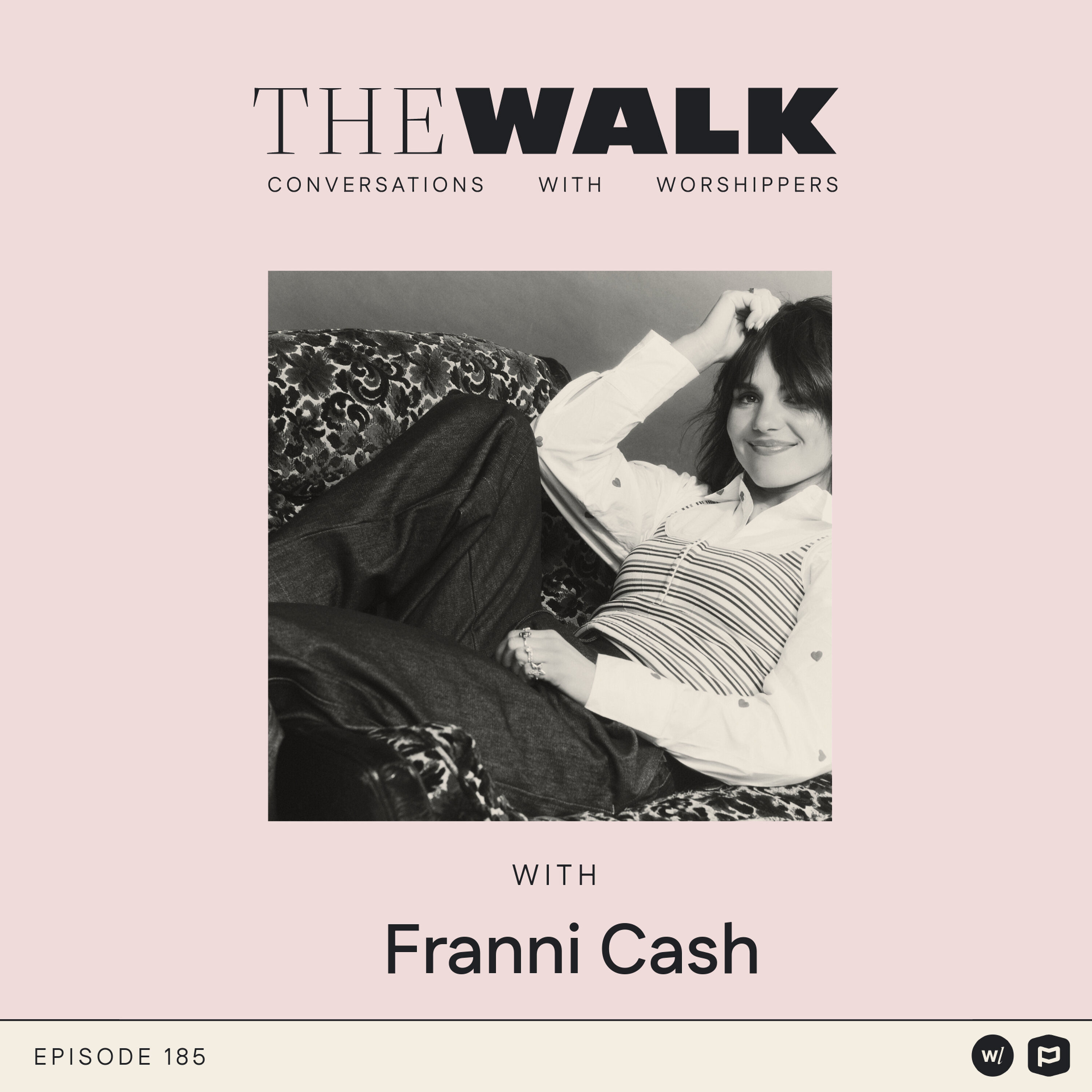
Franni Cash spent most of her twenties as one-quarter of We The Kingdom: two Grammy nominations, three Dove Awards, two No. 1 songs. Then she left the family band at the end of 2023 and nearly walked away from music entirely, paralyzed by the fear of not measuring up to what she'd already done. She looked into acting and seriously considered going to school for interior design. What pulled her back was friends passing her demos around behind her back and refusing to delete them. She wrote more than 200 songs to find her own voice and narrowed them to the thirteen on her debut solo album, Here I Am, out September 18. Her rule: only the songs she kept reaching for in the car, not the ones that might scratch an itch in the Christian market. Then the conversation turns to "Raised By Wolves." Franni grew up in a religious cult for twelve years of her childhood, which her family left during her senior year of high school. Her husband suggested the title, drawn from the warning in Matthew 7 about false prophets who come in sheep's clothing but are inwardly ravenous wolves. She wrote it with David Leonard and Andy Cherry, and it was David who spoke the opening line: "be quiet little girl." She had assumed a story that specific would isolate her. Instead she found that when something is that personal it becomes universal, because everyone knows what betrayal from a safe place feels like. On the music itself: songwriter Paul Duncan told her he wasn't worried about her relationship with her family, he was worried about her relationship with music, and sent her on "musical dates" with no goal but enjoyment. Al Green, Elton John and Marvin Gaye on the record player. Long drives in a beat-up 1978 Corvette off Facebook Marketplace. Six producers worked on Here I Am, with Franni as executive producer holding it together. Asked what she wants listeners to take away, Franni lands on one word: validation. She talks about narrative therapy and learning that not all twelve of those years were bad, because her grandmothers poured scripture into her, and that's what "Jesus Girl" is really about. She pushes back on the idea that people outside the faith are simply choosing sin. In her experience, someone misrepresented God to them. The episode closes with bravery. Franni grew up believing women were less than men. On the Brandon Lake tour she felt the Holy Spirit tell her she was brave and should ask to open the second leg, and minutes later her guitar player picked a worn card off the dressing room floor that read, in gold letters, "I am brave." She asked. He said yes the next day. Then Amy Grant invited her to lunch, listened to "Darken the Doorway," and asked her to join The Me That Remains Tour. "Don't let anybody keep you small or silent." - Franni Cash ABOUT FRANNI CASH Franni Cash is a two-time GRAMMY-nominated artist, three-time Dove Award winner, performer, vocalist and songwriter. Formerly of We The Kingdom, she co-wrote two No. 1 songs and was named one of the Top 20 breakout artists across all genres. Following her departure from the band, she released her debut EP Good Woman and now her debut solo album, Here I Am, out September 18: thirteen autobiographical songs covering her years in a religious cult, reclaiming her faith, and stepping into her own voice. She has shared stages with Lauren Daigle and Brandon Lake, and joins Amy Grant this fall on The Me That Remains Tour. IN THIS EPISODE Why leaving We The Kingdom nearly ended her music careerThe friends who passed her demos around against her wishesWriting over 200 songs to find her own voiceThe story behind "Raised By Wolves," Matthew 7, and twelve years inside a religious cultWhy she believed her story would isolate her, and what happened insteadNarrative therapy, her grandmothers, and what "Jesus Girl" is actually aboutMusical dates, a 1978 Corvette, and falling in love with music on her own termsThe card that said "I am brave," asking Brandon Lake for a second tour, and Amy Grant's kitchen table LINKS Franni Cash: https://www.frannicash.com/Here I Am (pre-order / stream): https://frannicash.lnk.to/hereiamWETour dates: https://www.frannicash.com/tour/"Raised By Wolves": https://frannicash.lnk.to/raisedbywolvesWE"Jesus All Along": https://frannicash.lnk.to/JesusAllAlongWE"Menace": https://frannicash.lnk.to/hereiamEMHere I Am vinyl and CD: https://store.capitolcmglabelgroup.com/collections/franni-cashInstagram: https://www.instagram.com/frannicashTikTok: https://www.tiktok.com/@frannicashYouTube: https://www.youtube.com/@FranniCashSpotify: https://open.spotify.com/artist/4fxcjHw2RUb4fBwuqHufT1Apple Music: https://music.apple.com/us/artist/franni-cash/694735313Kurtis Parks: https://www.kurtisparks.comWorship Leader: https://worshipleader.com SPONSOR This episode is brought to you by Planning Center, the all-in-one software that helps your church schedule volunteers, plan services, and stay organized. Start free, no credit card required: https://www.planningcenter.com/?utm_source=worshipleader&utm_medium=podcast&utm_campaign=the_walk&utm_content=episode_185_franni_cash Discover more Christian podcasts at lifeaudio.com and inquire about advertising opportunities at lifeaudio.com/contact-us.
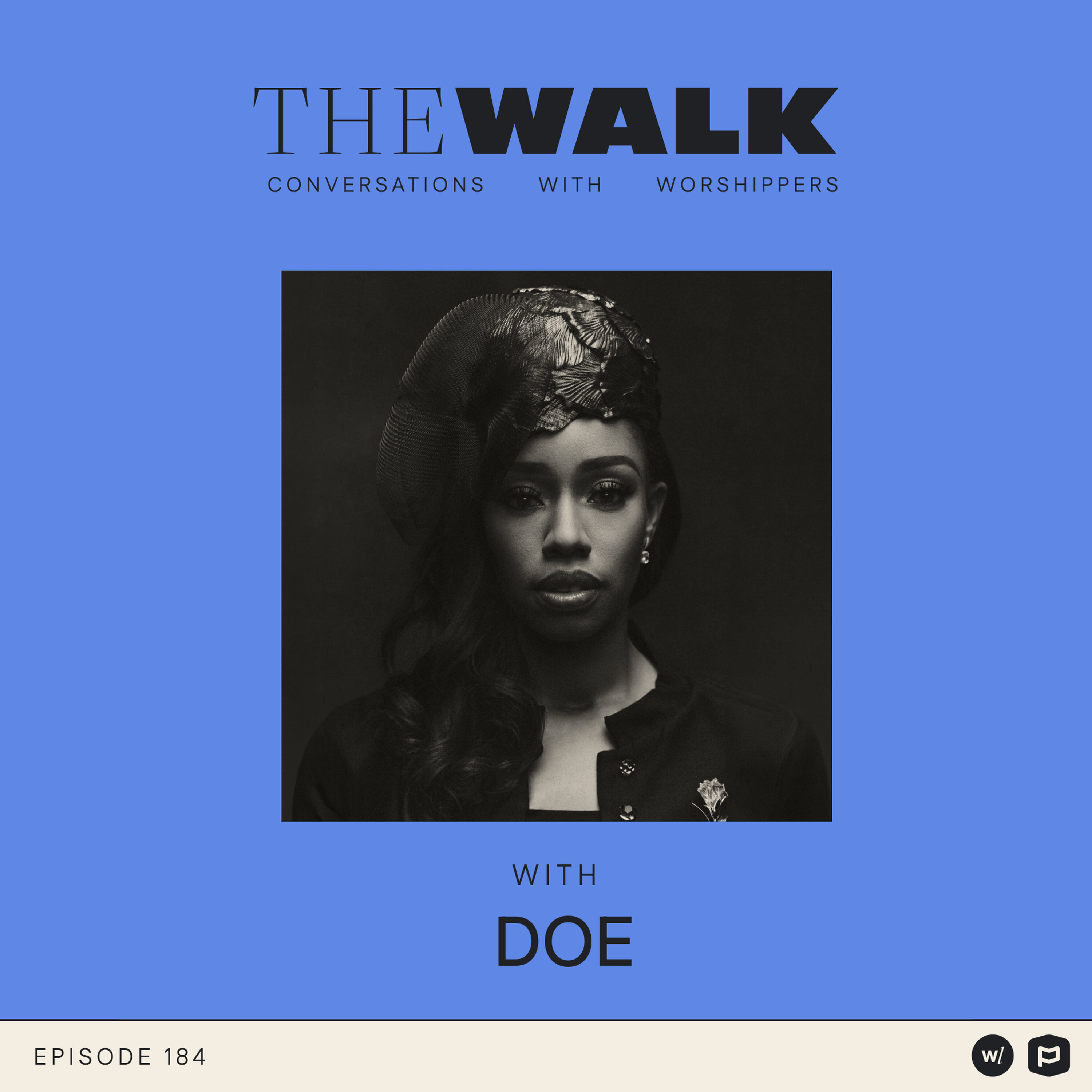
What happens when you reach a milestone you once dreamed about and discover you still have to trust God tomorrow? GRAMMY Award-winning artist DOE joins Kurtis Parks on The Walk for an unusually honest conversation about success, ambition, work, calling, community, motherhood, and learning to see God as Provider. From growing up making music with her family in forever JONES to stepping into a solo career, DOE shares how God has used both opportunity and uncertainty to form her along the way. DOE opens up about leaving familiar seasons when she sensed the grace had lifted, driving Uber while pursuing music, and why even after winning a GRAMMY she refuses to measure success by whether music is her only source of income. Her perspective on “holy ambition” is equally challenging: ambition becomes healthy when our time, energy, finances, relationships, health, and gifts are surrendered to God and stewarded well. The conversation also turns toward the making of her new live album, Shiloh. DOE wanted the record to reflect the breadth of the church and the musical traditions that formed her, honoring different cultural expressions rather than merely imitating them. The result is a project shaped by community, generations, worship, and a desire to point people toward God. If you’ve ever wondered whether needing another job means your dream failed, struggled to distinguish holy ambition from striving, or tried to trust God in an unpredictable season, DOE’s story offers a needed reminder: your calling was never meant to replace your Provider. Guest Bio DOE, born Dominique Jones, is a GRAMMY Award-winning singer, songwriter, and musician whose music crosses Christian and Gospel traditions. Raised in a musical family, she began performing professionally as a teenager with her parents and siblings in the multi-GRAMMY-nominated group forever JONES before launching her solo career. Her 2025 album Heart of a Human won Best Contemporary Christian Music Album, and her third solo album, Shiloh, releases August 28 through Provident Entertainment and Sony Music. Episode Highlights What does “holy ambition” actually look like? DOE explains why ambition submitted to Scripture and the Holy Spirit becomes a question of stewardship rather than self-promotion. Can you be successful and still need another source of income? DOE shares that she still has her Uber account and recently earned her real estate license, challenging the idea that bivocational work means failure. How do you know when a season is over? DOE describes leaving youth ministry and eventually stepping beyond the security of her family’s musical identity. Why does healthy community matter for ambitious people? DOE talks about finding relationships that turn potential competition into genuine support. What can difficult experiences produce in us? DOE reflects on how God can use hard experiences to develop resilience. What did winning a GRAMMY teach her? The album DOE found hardest to complete became the project that won, reminding her that God can connect what looks like scattered dots into a meaningful picture. What makes Shiloh different? DOE shares her desire to honor the musical languages and church traditions that shaped her while creating one cohesive worship experience. Pull Quote “You have not failed if you still have another job on the side.” That is probably the strongest verbatim social hook in the entire interview. Helpful Links DOE Official Websitehttps://www.doejonesmusic.com/ DOE on Instagramhttps://www.instagram.com/doejonesmusic/ DOE on Facebookhttps://www.facebook.com/doejonesmusic/ DOE on TikTokhttps://www.tiktok.com/@doejonesmusic DOE’s supplied bio identifies Shiloh as arriving August 28 via Provident Entertainment and Sony Music. Sponsor This episode is brought to you by Planning Center: the all-in-one software to help your church schedule volunteers, plan services, and stay organized. Try it free today:https://www.planningcenter.com/?utm_source=worshipleader&utm_medium=podcast&utm_campaign=the_walk&utm_content=episode_184_doe Discover more Christian podcasts at lifeaudio.com and inquire about advertising opportunities at lifeaudio.com/contact-us.
What happens when you believe God has called you to something—but every door keeps closing? On Episode 183 of The Walk, host Kurtis Parks sits down with bilingual Christian artist and worship leader Iveth Luna for an honest conversation about calling, identity, fear, motherhood, worship, and trusting God in seasons that don't make sense. Iveth grew up in the Dallas, Texas area in a family deeply rooted in ministry. Her grandfather—a pastor, missionary, and church planter—helped show her what a life of faith could look like. She began leading worship at 16 and eventually sensed God calling her into music. But when opportunities with American Idol and The Voice repeatedly ended in closed doors, Iveth began questioning more than her calling. She started questioning who she was. That painful season eventually led to depression—but also to healing. Iveth shares how God rebuilt her identity around a truth she now carries into every season: before she is a singer, artist, worship leader, wife, or mother, she is a daughter of the King. Now living in Nashville with her husband and young son, Iveth is stepping into a new chapter with music including Making Ways and the bilingual worship release “House of God” / “Casa De Dios.” She shares why motherhood has changed the way she sees the people she leads, what the Spanish-speaking Church can teach us about worship, and why she refuses to let fear make her decisions anymore. In This Episode What happens when God gives you a dream, but the doors keep closing? Iveth shares how rejection forced her to confront where she had placed her identity. Can your calling become too connected to your identity? Iveth explains why being a daughter of God has to come before being a worship leader. How do you keep fear from controlling your life? She reflects on years of allowing fear to have the final say—and why she refuses to live that way anymore. What can the wider Church learn from Spanish-speaking worship communities? Iveth talks about reverence, joy, expression, cultural diversity, and the beauty of every tribe and tongue worshiping Jesus. How does becoming a mother change the way you lead worship? Iveth shares how motherhood has given her a deeper compassion for the people in front of her. What do you do in a season of transition? Sometimes worship looks like leading from a platform. Sometimes it looks like worshiping Jesus with your family in the living room. Pull Quote “I am a worship leader, but first off, I’m a daughter of the King. And every season is going to look different, and it’s okay.” Connect with Iveth Luna Website: IvethLuna.com Listen to “House of God” / “Casa De Dios” and “Making Ways” wherever you stream music. About The Walk The Walk: Faith in the Real WorldReal people. Real moments. True faith. The Walk is a Worship Leader Media podcast featuring honest conversations about what it means to follow Jesus when faith moves beyond what we say and into the way we actually live. Sponsor This episode is brought to you by Planning Center. Discover more Christian podcasts at lifeaudio.com and inquire about advertising opportunities at lifeaudio.com/contact-us.
Show Notes Real people. Real moments. True faith. Sometimes God's greatest miracles don't happen overnight—they happen through years of surrender. On this episode of The Walk, Kurtis Parks sits down with Christian artist Justin Gambino for one of his most personal conversations yet. Justin opens up about growing up as a prodigal, serving in the Navy, battling PTSD, addiction, infertility, and learning to trust God's timing through years of waiting. He also shares how becoming a father has completely reshaped his understanding of God's faithfulness and why his newest EP, The Garden of the Lord, is the most personal music he's ever written. Guest Bio Justin Gambino is a Christian singer-songwriter based in Texas whose music reflects a life transformed by God's grace. After serving eight years in the U.S. Navy and overcoming addiction, depression, and PTSD, Justin now travels the country sharing the hope of Christ through music and testimony. His latest EP, The Garden of the Lord, explores intimacy with God, healing, and spiritual growth. Episode Highlights How years of infertility taught Justin to trust God's perfect timing The unexpected lesson God taught him through his newborn son Why vulnerability became one of the greatest tools in his ministry What God showed him about building His Kingdom instead of his own How The Garden of the Lord was written during one of the deepest seasons of spiritual growth Why obedience often comes before understanding The importance of community when you're walking through pain How God uses our testimony to bring freedom to others Pull Quote "When you keep your eyes on the Father, you can trust that His provision is already on the way." Connect with Justin Instagram: @justingambino Listen to The Garden of the Lord on all streaming platforms. Sponsor This episode is brought to you by Planning Center. Planning Center is the all-in-one church management software trusted by thousands of churches to organize volunteers, plan services, manage worship teams, and keep ministries running smoothly. Try it today: https://www.planningcenter.com/?utm_source=worshipleader&utm_medium=podcast&utm_campaign=thewalk Watch the full conversation on the Worship Leader Media YouTube channel. Discover more Christian podcasts at lifeaudio.com and inquire about advertising opportunities at lifeaudio.com/contact-us.
What if the greatest blessing in your life is a prayer God never answered the way you expected? In Episode 181 of The Walk: Faith in the Real World, Dove Award-winning artist Leanna Crawford shares the deeply personal journey behind her sophomore album, Thank God. While many know Leanna for her No. 1 hit "Still Waters (Psalm 23)," this conversation reveals the seasons of disappointment, comparison, anxiety, and healing that shaped the songs on her newest record. Leanna opens up about nearly walking away from music, how counseling helped her rediscover joy, and why she's now grateful that God didn't answer every prayer the way she wanted. She also shares the excitement surrounding her Grand Ole Opry debut, her love for country music, and how faith continues to shape every lyric she writes. Whether you're walking through uncertainty, waiting on God, or learning to trust His timing, this conversation is a reminder that His plans are always better—even when they don't make sense at first. Guest Bio Leanna Crawford is a Dove Award-winning singer-songwriter based in Nashville, Tennessee. Named New Artist of the Year at the Dove Awards, she is known for heartfelt songs including the RIAA Gold-certified, Billboard No. 1 hit "Still Waters (Psalm 23)." Her sophomore album, Thank God, blends country influences with honest storytelling and faith-filled encouragement as she continues reaching millions of listeners around the world. Episode Highlights Why Leanna almost walked away from music How counseling helped change her perspective The story behind her new album, Thank God Learning gratitude in seasons of disappointment The growing connection between country and Christian music What it means to trust God's timing instead of your own Her upcoming Grand Ole Opry debut Why a full life includes both joy and sorrow Pull Quote "I'm thankful God didn't answer every prayer the way I wanted Him to." Sponsor This episode is brought to you by Planning Center—the all-in-one software that helps churches schedule volunteers, plan services, and stay organized. Try it today:https://www.planningcenter.com/?utm_source=wlm&utm_medium=podcast&utm_campaign=thewalk Listen Apple Podcasts | Spotify | Amazon Music Watch Watch the full conversation on the Worship Leader Media YouTube channel. Discover more Christian podcasts at lifeaudio.com and inquire about advertising opportunities at lifeaudio.com/contact-us.
What makes a worship song truly powerful? Is it the melody? The production? The number of streams? According to 2819 Worship, it's much simpler than that: Does the song help people behold Jesus more clearly? In this episode of The Walk: Faith in the Real World, Kurtis Parks sits down with Kristen Pinckney and Trey Heflin of 2819 Worship, the Atlanta-based collective from 2819 Church whose debut single, "For Christ Alone," has quickly become one of the most talked-about new worship songs of the year. The conversation goes far beyond songwriting. Kristen and Trey share the heart behind their church's explosive growth, why every worship gathering begins and ends with prayer, and how a three-year journey through the Gospel of Matthew shaped both their church and their music. They also discuss the spontaneous moment that transformed "For Christ Alone" into a 13-minute worship anthem and why their mission has never been to create viral songs—but songs rooted in Scripture that point people to Christ. Whether you're a worship leader, songwriter, pastor, or someone longing for deeper worship, this episode is a timely reminder that our greatest calling is not influence—it's faithfulness. Guest Bio 2819 Worship is the worship collective of 2819 Church in Atlanta, Georgia, led by Pastor Philip Anthony Mitchell. Comprised of worship leaders, musicians, and songwriters including Kristen Pinckney and Trey Heflin, the collective exists to create biblically grounded worship music that helps the Church behold Jesus more clearly. Their debut single, "For Christ Alone," released in partnership with Reach Records, has quickly gained worldwide attention for its Scripture-centered message and authentic live worship expression. Episode Highlights The story behind 2819 Church's remarkable growth Why every worship gathering begins and ends with prayer How a three-year study through Matthew transformed their church The inspiration behind "For Christ Alone" Why worship songs should be rooted in Scripture The spontaneous moment that changed the song forever Faithfulness vs. influence in worship ministry Why today's Church is hungry for biblical truth Pull Quote "We write songs that help people behold Christ more clearly." Sponsor This episode is brought to you by Planning Center—the all-in-one software that helps churches schedule volunteers, plan services, and stay organized. Try it today:https://www.planningcenter.com/?utm_source=wlm&utm_medium=podcast&utm_campaign=thewalk Listen Apple Podcasts | Spotify | Amazon Music Watch Watch the full conversation on the Worship Leader Media YouTube channel. Discover more Christian podcasts at lifeaudio.com and inquire about advertising opportunities at lifeaudio.com/contact-us.
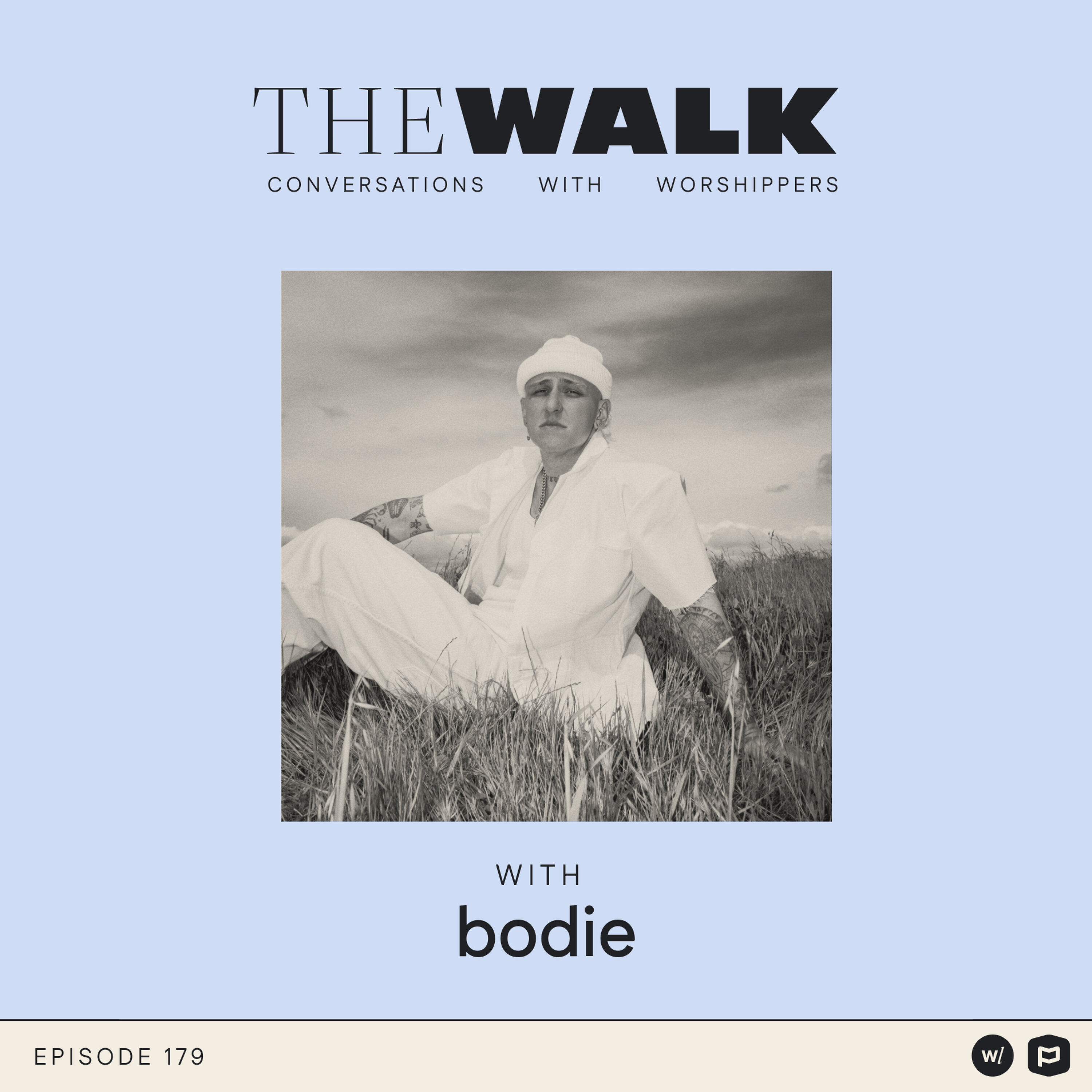
What do you do when the dream you've spent your life chasing no longer makes sense? In Episode 179 of The Walk: Faith in the Real World, singer-songwriter and worship leader Bodie shares the surprising story behind his rise from local church worship leader to runner-up on NBC's The Voice and one of Christian music's fastest-rising artists. Before millions watched him compete on national television, Bodie was already considering walking away from music altogether. Discouraged, exhausted, and questioning his future, he found himself at a crossroads where surrender became more important than success. Then came an unexpected opportunity that changed everything. In this conversation, Bodie opens up about identity, calling, worship leadership, songwriting, family life on the road, and the challenge of keeping Jesus at the center when opportunities begin multiplying. He also shares the heart behind his new single, "Almost Famous," and why he's learned that true success is measured by obedience, not recognition. Along the way, you'll hear stories from The Voice, lessons learned from touring with artists like Colton Dixon and Elevation Rhythm, and powerful moments where God's presence redirected the course of his life. Whether you're a worship leader, creative, musician, or simply someone trying to follow God's leading in a season of uncertainty, this episode offers a timely reminder that surrender often comes before breakthrough. Guest Bio Bodie first captured national attention as the runner-up on Season 22 of NBC's The Voice. Since then, his debut album No Skips has generated more than 38 million streams, and he has toured with artists including Elevation Rhythm, Colton Dixon, and Seth Schluter. A worship leader, songwriter, and artist, Bodie combines alternative rock influences with honest faith-filled storytelling. Originally from Los Angeles, he now serves in ministry while continuing to create music that points listeners toward Jesus. Episode Highlights • Why Bodie was preparing to quit music before The Voice • The conversation with God that changed his perspective on calling • How surrender became the foundation of his career • What worship leadership taught him about success • The story behind his new single, "Almost Famous" • Touring, family life, and staying grounded in ministry • How God's presence met him in one of the lowest moments of his life • Why obedience matters more than recognition Pull Quote "You don't choose who you reach. God chooses who you reach." Sponsor This episode is brought to you by Planning Center: the all-in-one software that helps churches schedule volunteers, plan services, and stay organized. Try it today at:https://www.planningcenter.com/?utm_source=wlm&utm_medium=podcast&utm_campaign=thewalk Discover more Christian podcasts at lifeaudio.com and inquire about advertising opportunities at lifeaudio.com/contact-us.
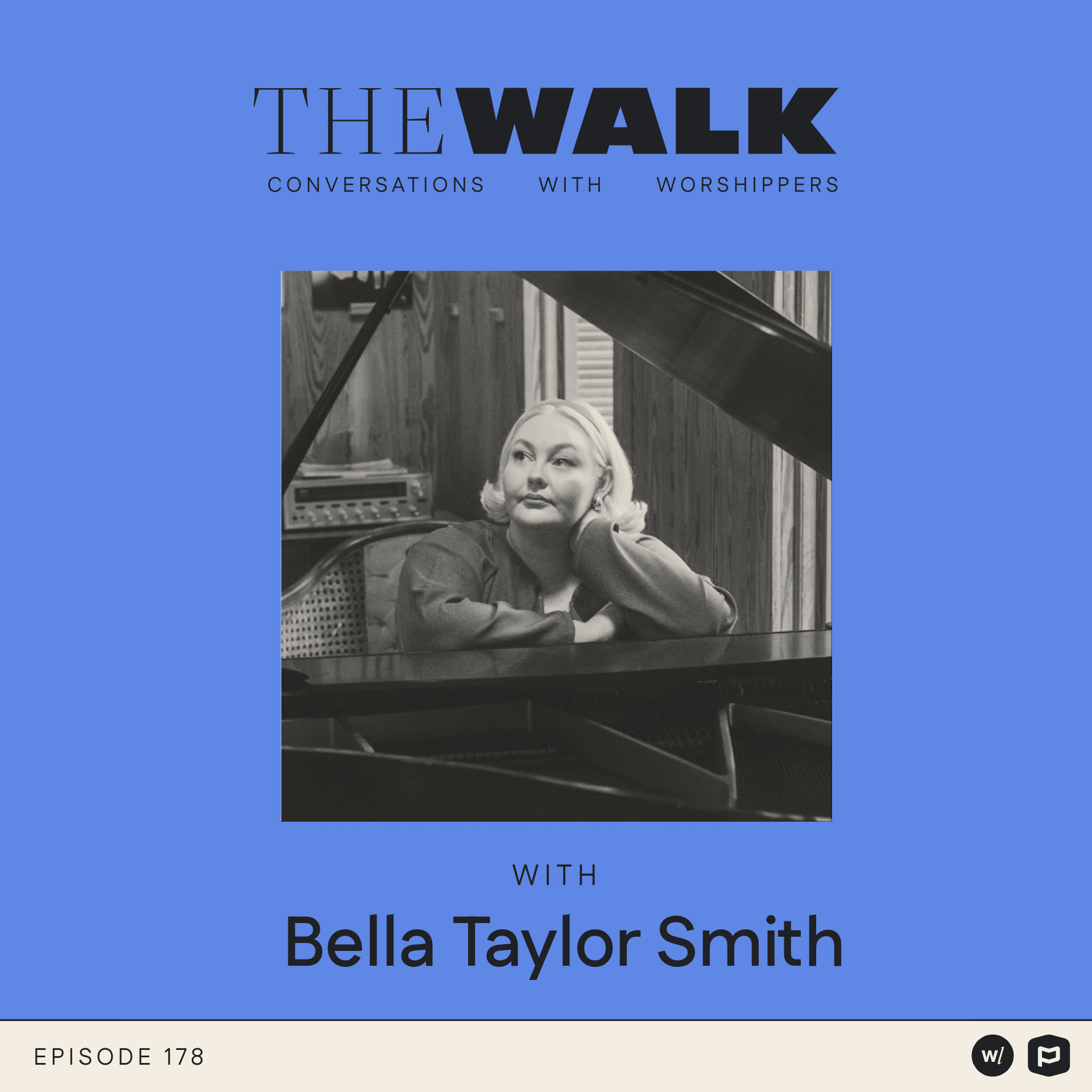
What if the most important part of worship happens long before Sunday morning? In Episode 178 of The Walk: Faith in the Real World, Bella Taylor Smith shares her remarkable journey from a teenager with no church background to becoming one of Christian music's most compelling voices. After winning The Voice Australia in 2021, Bella's life changed dramatically. What began as a simple prompting from the Holy Spirit during the COVID lockdowns eventually led her from Sydney, Australia, to Nashville, Tennessee, where she now records music, leads worship, and serves the global Church through her songs. But behind the success story is a much deeper testimony of God's faithfulness. Bella opens up about coming to faith at age fifteen after a year of attending youth group, the worship moment that changed her life forever, and the people who faithfully showed her Jesus before she was ready to fully surrender her life to Him. She also shares why private devotion fuels public ministry, how worship extends far beyond music, and what she's learning about obedience, surrender, and the fruit of the Spirit in this season. The conversation also explores her new EP, for the home, a companion project to FOR THE HOUSE, designed to help believers encounter God in everyday moments—from devotional time to family life and everything in between. Whether you're a worship leader, songwriter, creative, or simply someone who wants a deeper relationship with Jesus, this episode offers practical encouragement for cultivating a faith that lasts. Guest Bio Bella Taylor Smith first rose to prominence after winning The Voice Australia in 2021. Since then, she has amassed more than 50 million career streams and performed alongside artists including Chris Tomlin, Jeremy Camp, Darlene Zschech, Pentatonix, and Benjamin William Hastings. Originally from Sydney, Australia, Bella began her musical journey as a worship leader at Hillsong Church. She now lives in Franklin, Tennessee, with her husband and producer Josh Cole and continues to write music that serves both the Church and individual believers through worship and discipleship. Episode Highlights • How a simple invitation to youth group changed Bella's life • The worship moment that led her to surrender her life to Christ • Why private devotion fuels public ministry • What winning The Voice Australia taught her about obedience • The story behind her move from Australia to Nashville • Why worship is more than music • The heart behind her new EP, for the home • What it means to live from the overflow of your relationship with God Pull Quote "We can't invite people somewhere we've never been ourselves." Sponsor This episode is brought to you by Planning Center: the all-in-one software that helps churches schedule volunteers, plan services, and stay organized. Try it today at https://www.planningcenter.com/?utm_source=wlm&utm_medium=podcast&utm_campaign=thewalk Discover more Christian podcasts at lifeaudio.com and inquire about advertising opportunities at lifeaudio.com/contact-us.
What does it take to write a worship song that serves the Church? In this episode of The Walk: Faith in the Real World, Kurtis Parks sits down with Justin Barnett, Bryant Urich, and Anne Elise Sherrod of the NCS Collective to talk about songwriting, worship leadership, artist development, and the power of Christian community. The NCS Collective recently released their live worship album, Nothing But the Name, bringing together songwriters, artists, worship leaders, and creatives from across the country. But this conversation goes far beyond a new album. Bryant, Justin, and Anne Elise share how Nashville Christian Songwriters grew from a songwriting coaching program into a thriving creative community that helps Christian songwriters, worship leaders, and artists develop their craft while staying rooted in their faith. They discuss the songwriting process, the challenges of creating a live worship album, why community matters for creatives, and what they've learned from bringing together people from different church traditions, generations, and backgrounds around a shared love for Jesus. If you're a worship leader, songwriter, musician, or creative wondering how God can use your gifts for His Kingdom, this conversation is packed with practical wisdom and encouragement. Guest Bio The NCS Collective is the artist and worship expression of Nashville Christian Songwriters, a songwriting community, record label, publishing company, and artist development platform founded by industry veteran John Chisum. The collective exists to create and release faith-filled worship music while helping Christian songwriters and artists grow in their craft and calling. Their latest live worship album, Nothing But the Name, features songs written and led by members of the NCS community. Episode Highlights The story behind Nashville Christian Songwriters and the NCS Collective How a songwriting community became a record label and artist development platform The making of the live worship album Nothing But the Name Why collaboration beats competition in Christian music How songwriting helps believers tell their stories of faith The importance of artist development in today's music industry Why becoming a great songwriter starts with learning to tell the truth well How worship songs move from private prayer to congregational worship Sponsor This episode is brought to you by Planning Center: the all-in-one software that helps churches schedule volunteers, plan services, and stay organized. Try it today at:https://www.planningcenter.com/?utm_source=wlm&utm_medium=podcast&utm_campaign=thewalk Discover more Christian podcasts at lifeaudio.com and inquire about advertising opportunities at lifeaudio.com/contact-us.
Hosted by award-winning voice talent Joshua Swanson, The Walk is a podcast dedicated to sharing the stories of passionate believers with a message for our large audience of worshippers. Our guests are creatives who walk with God daily and bring a great word to the Body of Christ. They include worship leaders, pastors, educators, speakers and artists. Listeners will travel along each week and hear an intimate first-person story and learn how, through that story, our guests have built a lifestyle of worship.